· 7 min read · by Salimar Boat Tour
Isola Comacina, the only island on Lake Como
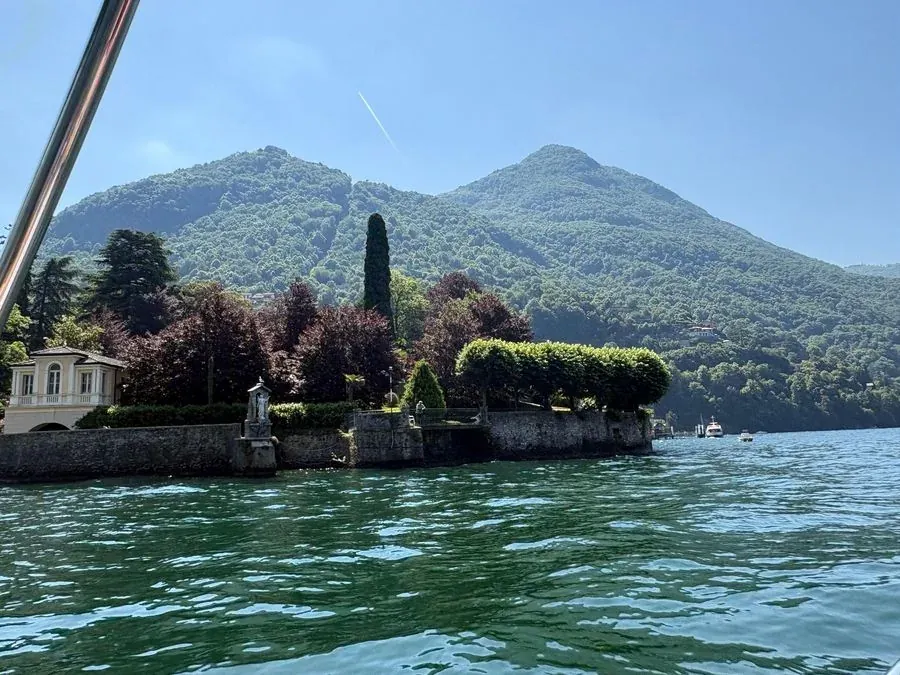
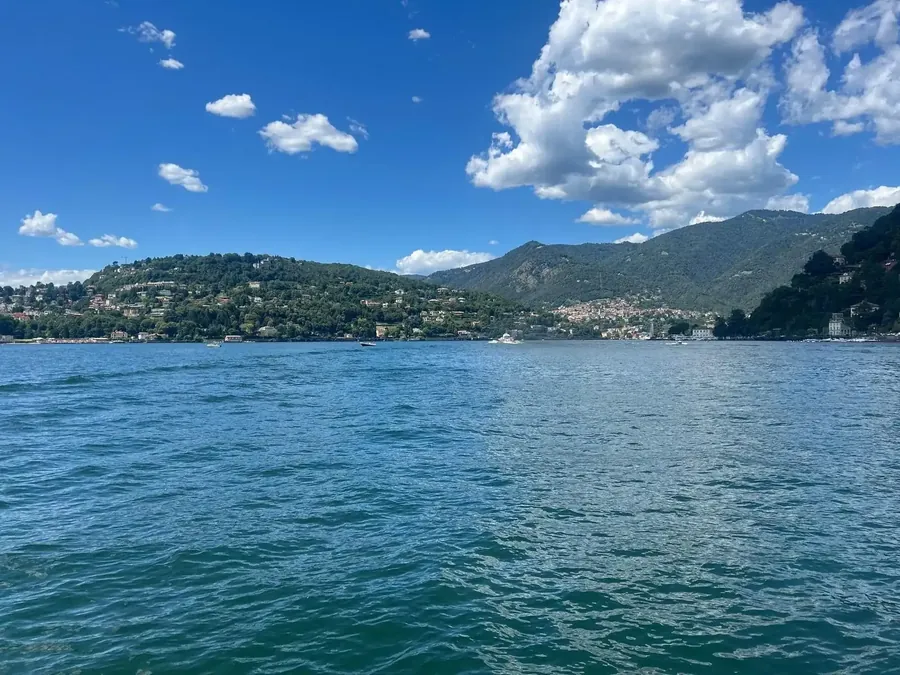
Lake Como has exactly one island, and it sits in the bay locals call Zoca de l'oli, the oil basin, between Argegno and the Lavedo peninsula. It is called Isola Comacina, about 600 metres long and 200 wide, and you can only reach it by water. Passing by boat it looks like little more than a green rock: in fact it has the most dramatic history on the whole lake.
From Byzantine stronghold to a town of nine churches
Inhabited since Roman times, in the late 6th century it became a Byzantine stronghold that held out against the Lombards for about twenty years. Tradition says this is when it filled with houses, churches and fortifications and took the name Cristopolis. It became one of the most important religious centres in the diocese of Como, with as many as nine churches according to the sources.
1169: the year the island was razed
During the Ten Years' War (1118-1127) the island sided with Milan against Como. Como lost that war but rose again with the backing of Emperor Frederick Barbarossa. In 1169 Como's forces, allied with Barbarossa and the Tre Pievi, destroyed the island: monastery, basilica and every church. The survivors fled to Varenna, which they renamed Insula Nova.
In 1175 Bishop Vidulfo of Como pronounced the curse still repeated today: the bells will never ring again, the stones will never be laid one upon another, nobody will host travellers here, on pain of a violent death. The island stayed almost uninhabited for centuries.
How it ended up Belgian, then Italian
In 1919 the last owner, Augusto Giuseppe Caprani of Sala Comacina, bequeathed it to King Albert I of Belgium, in gratitude for Belgian support in the First World War. In 1920 Albert I donated it to the Italian state, which entrusted it to the Brera Academy in Milan with the idea of creating an artists' village. It is still administered along those lines, with the municipality of Tremezzina handling tourism.
What you can see today
- The ruins of the basilica of Sant'Eufemia, with its crypt: the remains date to 1031
- The ruins of SS. Faustino e Giovita, San Pietro in Castello and Santa Maria col Portico
- A 5th-century twin-apse baptistery with a fish mosaic
- The Casa Torre, a medieval residential and defensive tower
- The 17th-century church of San Giovanni Battista, reconsecrated: a Roman marble colonnade lies beneath its floor
- The three Rationalist Artists' Houses, designed by Pietro Lingeri and built 1939-1940, restored in 2009-2010
Opening times, tickets and how to get there
The island is open from May to late October, daily from 10am to 6pm. You need a ticket for the archaeological and nature park, around 6 euros for adults, bought at the Antiquarium in Ossuccio or from the machine on the island, which takes cards only. Anyone found without a ticket pays a penalty.
It is reachable only by water: Navigazione Lago di Como public boats dock directly, and a taxi boat leaves from Ossuccio, near the church of Santa Maria Maddalena, roughly every half hour, for about 7-8 euros return. Guided tours run by reservation, from 60 to 140 euros per group depending on the route.
One thing to know before you go: the official site states that the restaurant, bar and toilets are closed indefinitely. Bring water.
The Locanda and the fire ritual
From 1947 the island was home to the Locanda dell'Isola Comacina, founded by Lino Nessi. Both his partners died in tragic circumstances, which revived talk of the curse. Ever since, every meal ends with the fire ritual: brandy burnt with sugar and coffee, served to every guest. The menu had not changed since 1947. The Locanda closed in 2019-2020 and, despite a petition with thousands of signatures, remains closed.
How to see it from the lake
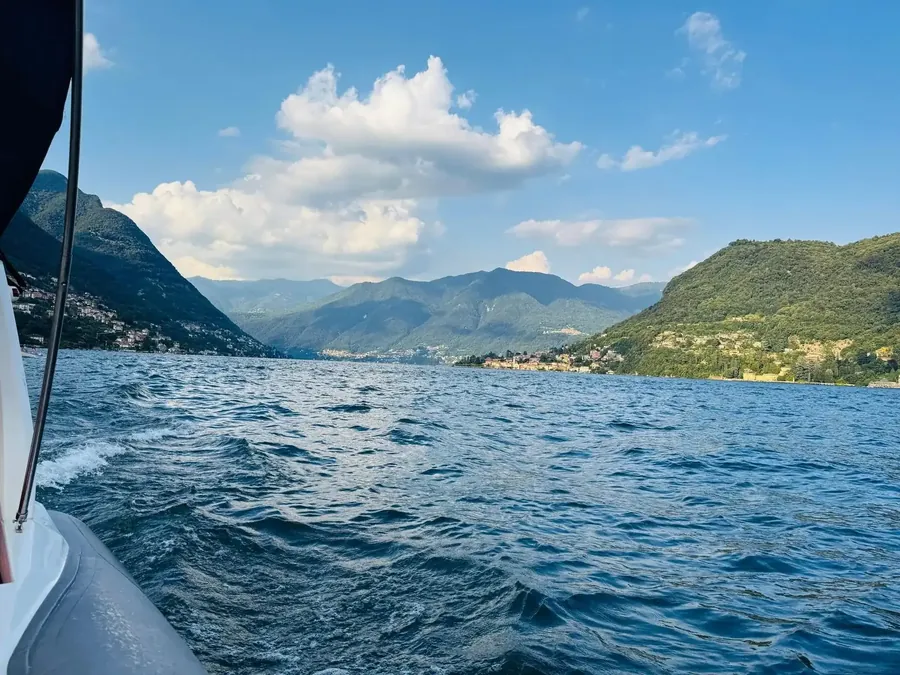
The island is on the route towards Bellagio and Lenno: you pass in front of it on three-hour tours and on longer private trips. From the boat the Casa Torre and the outline of the Artists' Houses stand out clearly.