· 7 min read · by Salimar Boat Tour
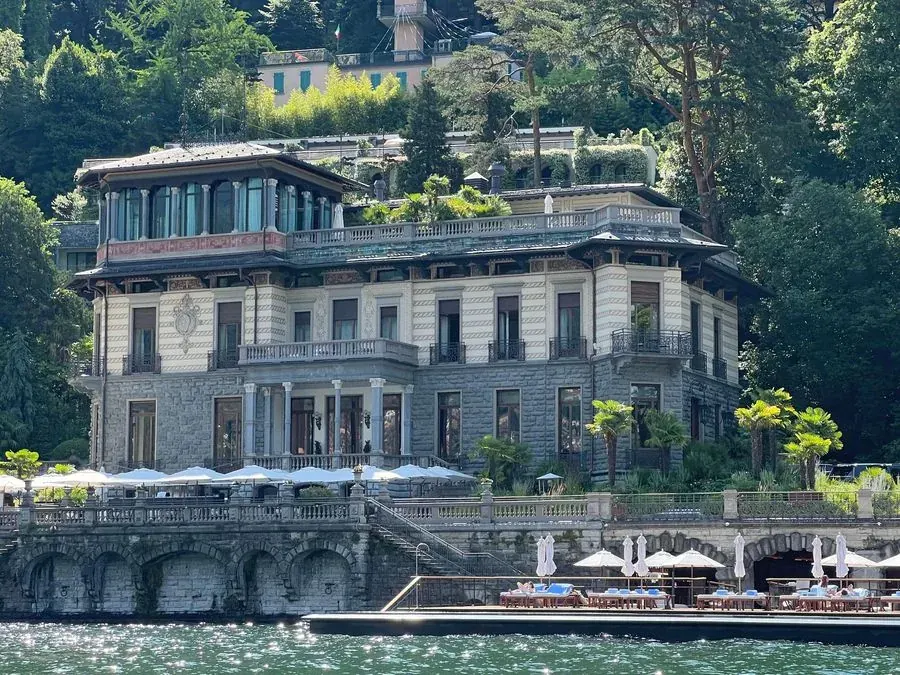
Villa Roccabruna in Blevio, where Casta Diva was born
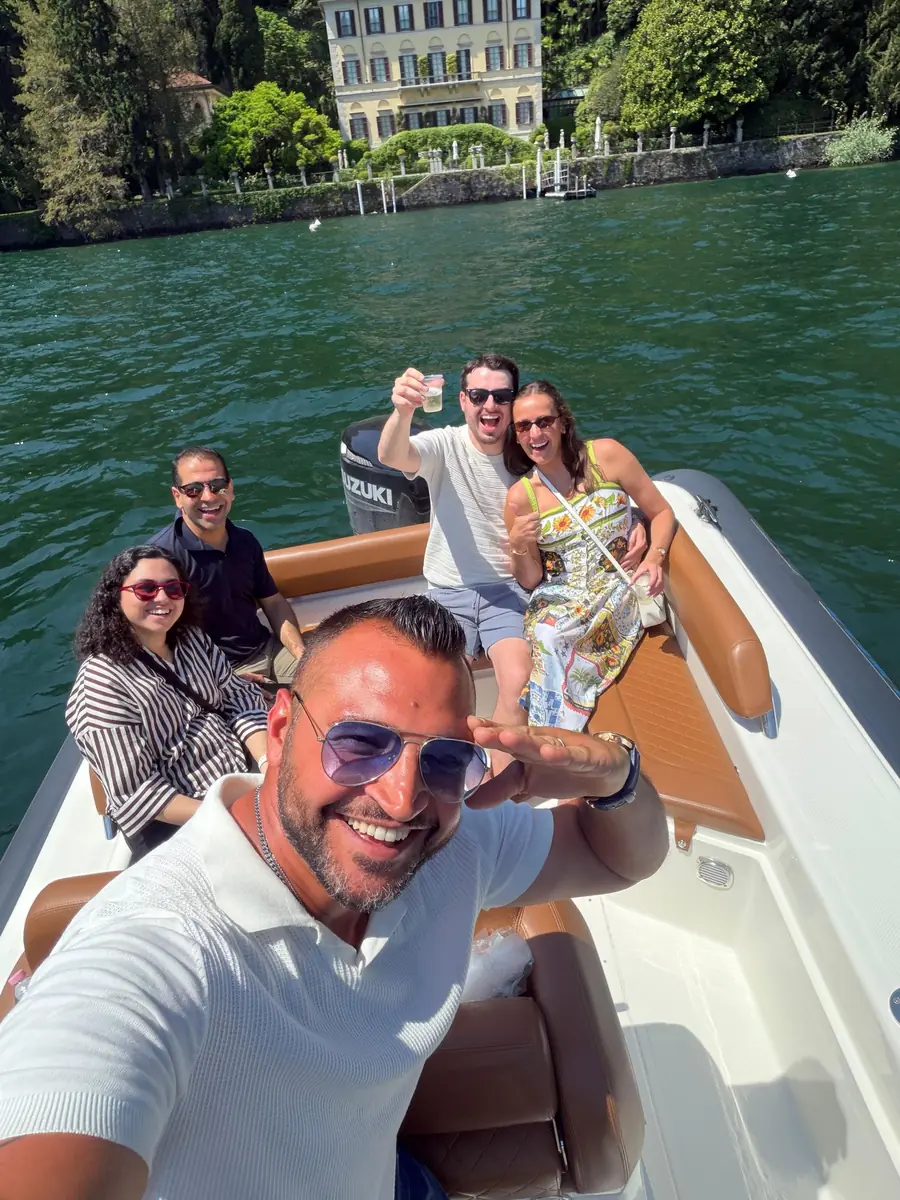
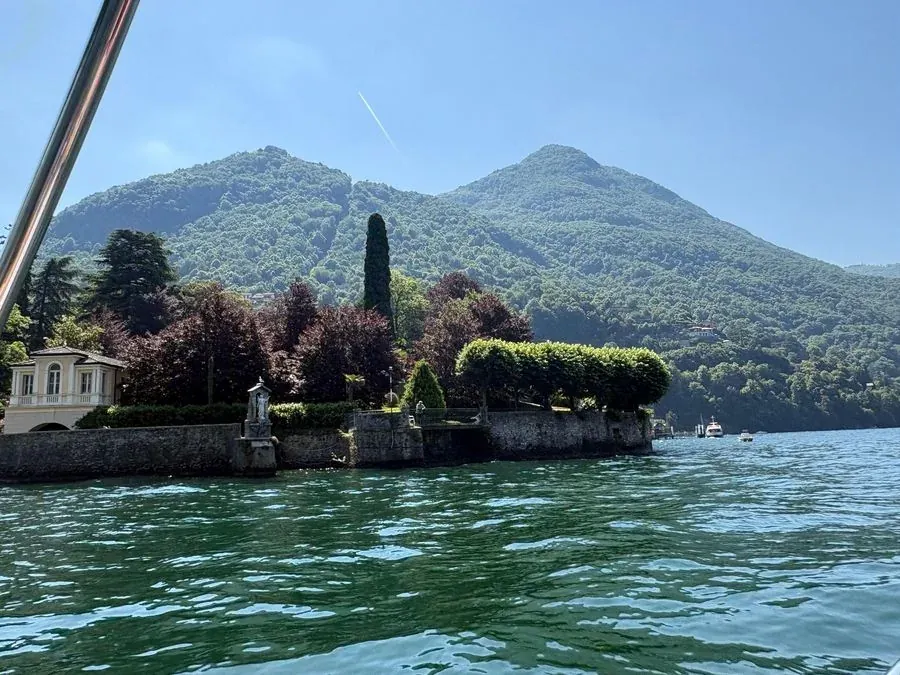
Just past Blevio, on the eastern shore, a six-acre park opens up with three neoclassical villas, boathouses and romantic grottos. Today it is the Mandarin Oriental, Lago di Como. But the name that matters for the history of the lake is another one: Villa Roda, home of Giuditta Pasta, the soprano Bellini wrote Norma for.
From a libertine milliner to a soprano
In the early 1800s this was Casino Ribiere, home of the French milliner Madame Ribier, a figure of famously libertine reputation and a source of period gossip. In 1827 Giuditta Pasta bought it and renamed it Villa Roda. Her maternal uncle, architect Filippo Ferranti, directed a neoclassical rebuilding between 1827 and 1829: the portico, inspired by La Scala's, was designed by Francesco Hayez and executed by Alessandro Puttinati.
The cradle of bel canto
For a few years that villa was the centre of Italian music. Gaetano Donizetti completed Anna Bolena there in 1830. Vincenzo Bellini, a frequent guest, wrote La Sonnambula and Norma for Pasta, both in 1831. Gioachino Rossini also visited. The name the hotel carried until 2018, CastaDiva, comes from the aria in Norma that Pasta was the first to sing.
Giuditta Pasta died in Blevio on 1 April 1865 and is buried in the village cemetery.
The villa you see today is not that one
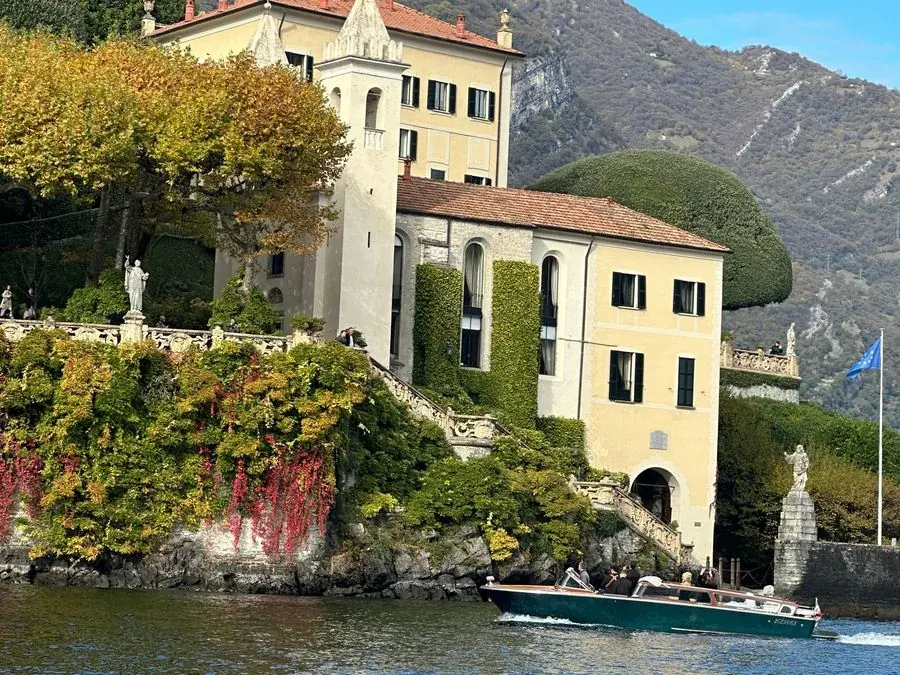
Here is the correction almost nobody makes. Pasta's complex was largely demolished in 1904. The present Villa Roccabruna was built between 1906 and 1910 for the Wild family, industrialists from Turin, in neo-Renaissance style to a design by architect Carlo Formenti. A single lilac-coloured dependance survived, still called Villa Pasta today. Inside: four paintings by Achille Beltrame and an oval marble staircase.
From ruin to hotel
After the Wild family the estate declined almost to ruin. It was restored and opened in 2010 as CastaDiva Resort & Spa by entrepreneur Gabriele Zerbi, then acquired by the Mandarin Oriental Hotel Group in 2018 and reopened under its present name on 15 April 2019.
What it is today
- 75 accommodations across nine historic buildings, including two private villas: Villa del Lago and Villa della Rocca
- A 1,300 sq m spa, the largest on the lake, built into a 19th-century boathouse
- A 40-metre floating infinity pool designed by Herzog & de Meuron, in Cardoso sandstone, anchored to the lakebed
- L'ARIA restaurant, one Michelin star since November 2019, restyled by Herzog & de Meuron for the 2026 season
- A six-acre botanical park, a private dock with vintage motorboats, and 100% renewable energy
The hotel opens seasonally, roughly March to January. Rates swing widely: off-season an entry room can fall below a thousand euros a night, while suites and the private villas go far higher.
How to see it
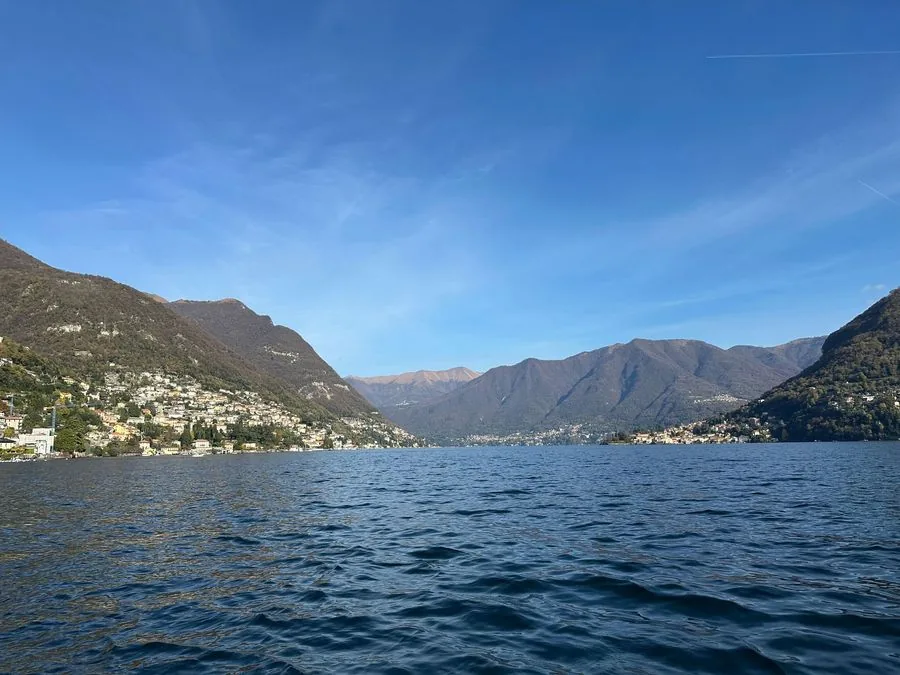
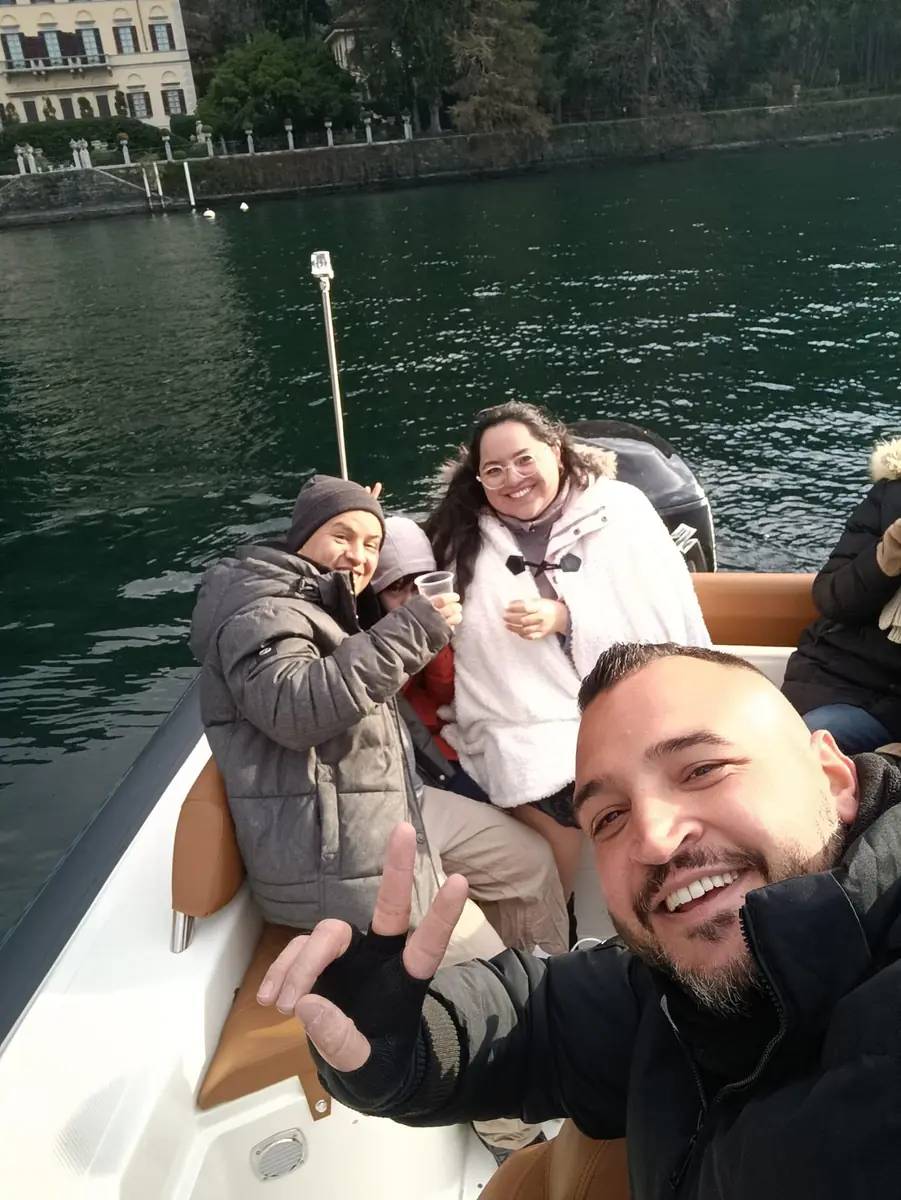
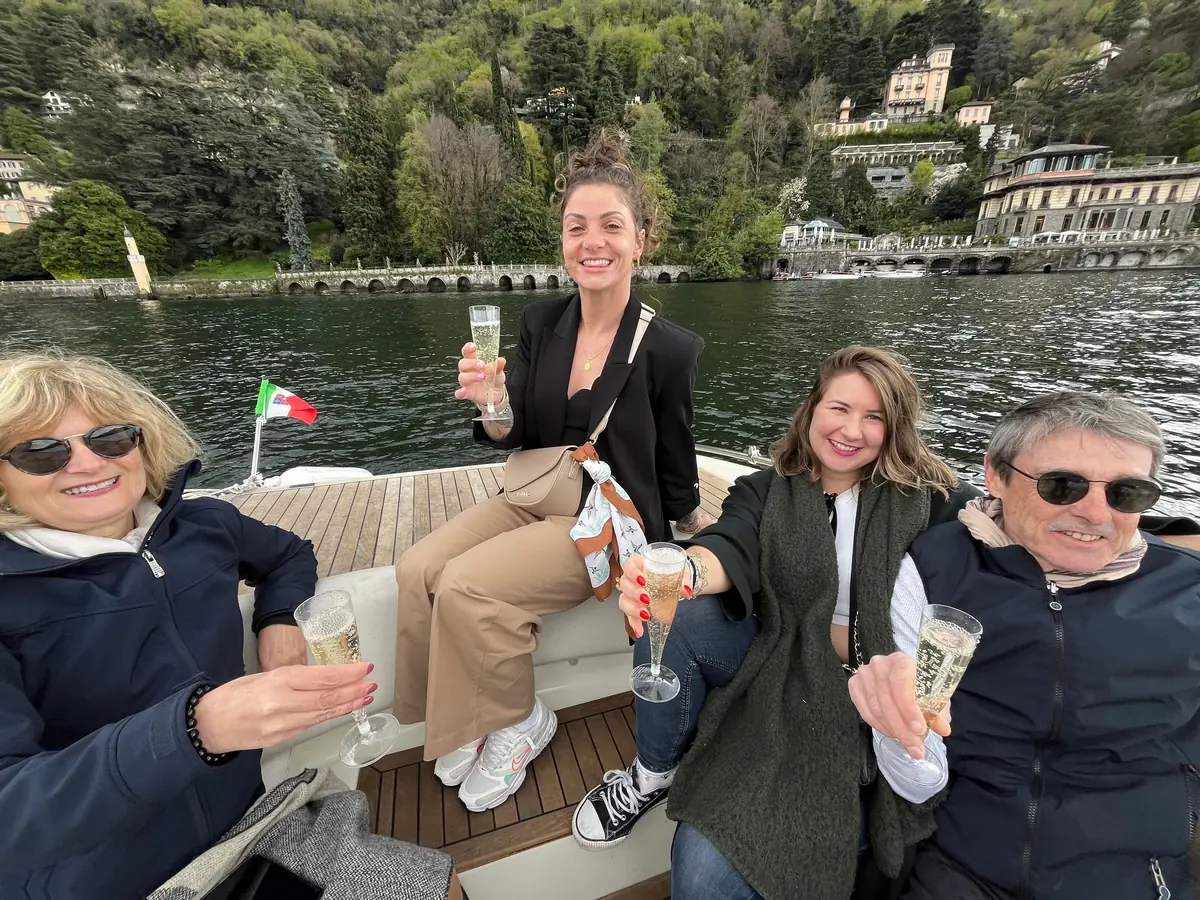
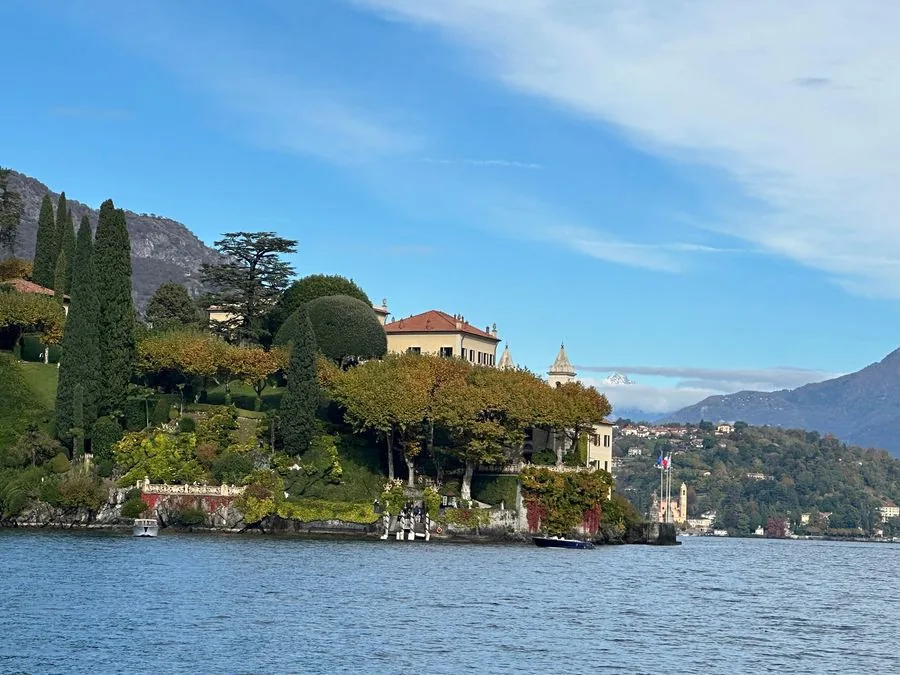
From the road the entrance is discreet and you see nothing. From the water the whole estate reads at a glance: the villas, the park, the floating pool. It is just past Blevio, on the same shore as Villa Troubetzkoy and Villa Usuelli.