· 6 min read · by Salimar Boat Tour
The Villa Melzi Gardens in Bellagio
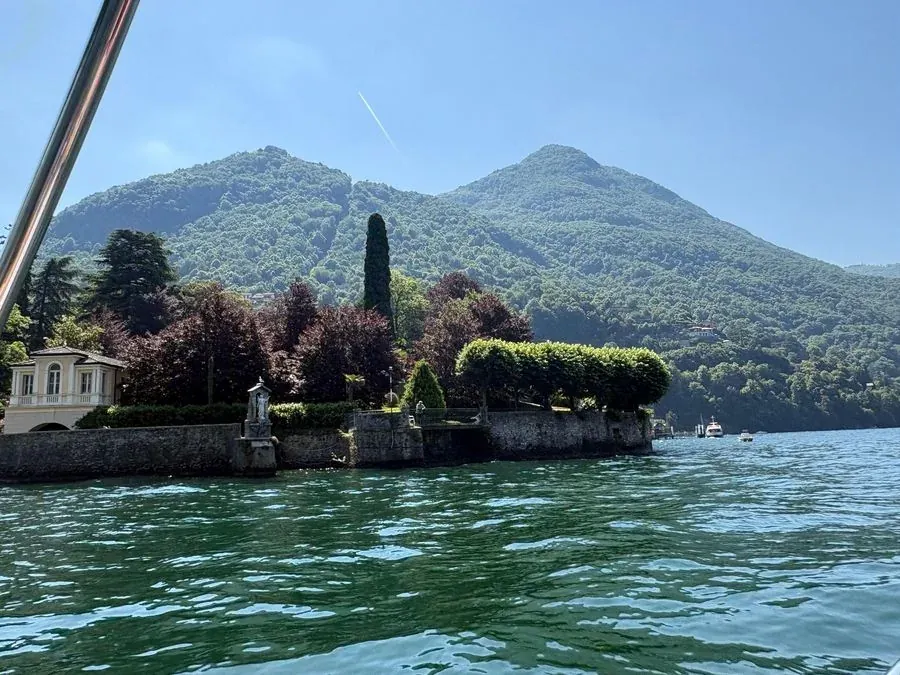
Walking from Bellagio towards Loppia along the shore, you follow for some eight hundred metres a park that seems never to end: giant sequoias, cedars of Lebanon, camphor trees, azaleas and rhododendrons, and a promenade that stays at water level the whole way. These are the Villa Melzi d'Eril Gardens, a national monument.
Who created them
Francesco Melzi d'Eril (1753-1816), Duke of Lodi, vice-president of Napoleon's Italian Republic and later Grand Chancellor of the Kingdom of Italy. The neoclassical villa was designed by the Ticinese architect Giocondo Albertolli and built between 1808 and 1810, with interiors completed between 1813 and 1815. The English-style park is the work of Luigi Canonica and the agronomist Luigi Villoresi, the same pair behind the park of the Villa Reale in Monza. Andrea Appiani, Giuseppe Bossi, Antonio Canova and Giovanni Battista Comolli worked on interiors and sculptures.
The estate passed by descent to the Gallarati Scotti family, who still own it: Count Lodovico Gallarati Scotti opened the gardens to the public and created the museum in the 1970s.
What you see
- The avenue of plane trees pruned into candelabra shapes, between rhododendrons and azaleas
- The oriental area with its small Japanese bridge, red maples, water lilies and two Egyptian statues
- The Moorish kiosk facing Bellagio, once a coffee house, with busts of Ferdinand I of Austria and Maria Anna of Savoy
- Comolli's marble group of Dante and Beatrice
- Albertolli's neoclassical chapel, burial place of Francesco Melzi, at the Loppia end
- The orangery turned museum: Napoleonic memorabilia and the Altichiero antiquities, including the lioness goddess Sekhmet and a dignitary of Ramses II
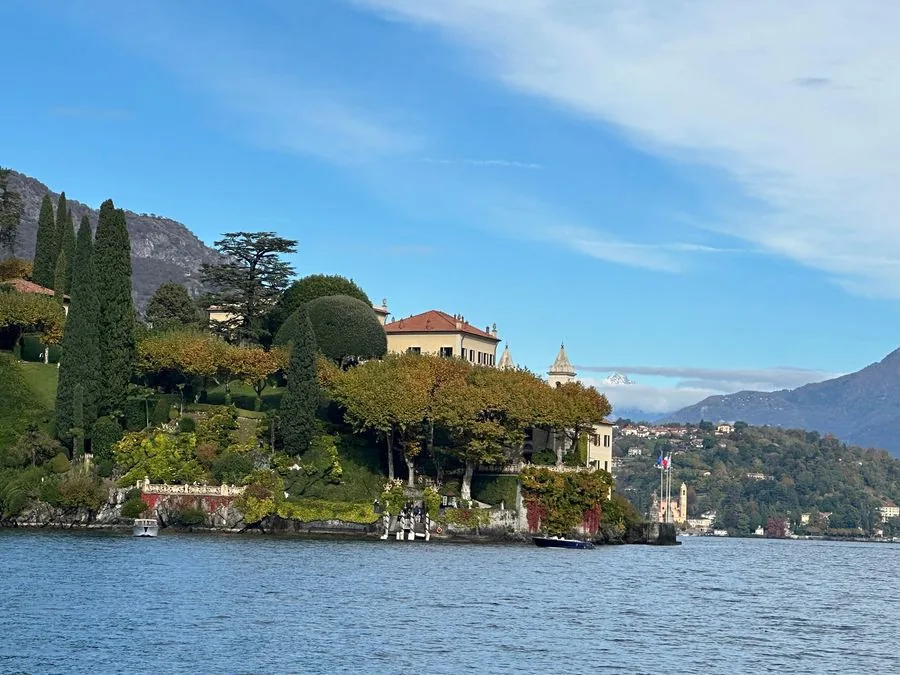
- A landing stage flanked by white columns, for those arriving by boat
The planting
Sequoia sempervirens, cedar of Lebanon and Himalayan cedar, camphor trees, a spectacular Pinus montezumae on the shore, a huge cork oak, taxodium, Japanese cryptomeria, ginkgo biloba and a tulip tree. Camellias, azaleas and rhododendrons flower between late April and May: that is the best time to see them.
Hours and tickets 2026
- Open daily from late March to end October, 10:00-19:00, last admission 18:30
- Single ticket 10 euros; two days or more 14 euros; groups of 15 or more 8 euros; school groups 6.50 euros; season pass 50 euros
- Free for children up to 11
- The ticket covers garden, chapel and museum. The villa is private and closed to visitors
- No booking needed: tickets at the gate
How to get there
On foot from Bellagio, about fifteen minutes along the lake, or by boat: in front of the villa there is a landing stage recognisable by its white columns.
How we see them from the boat
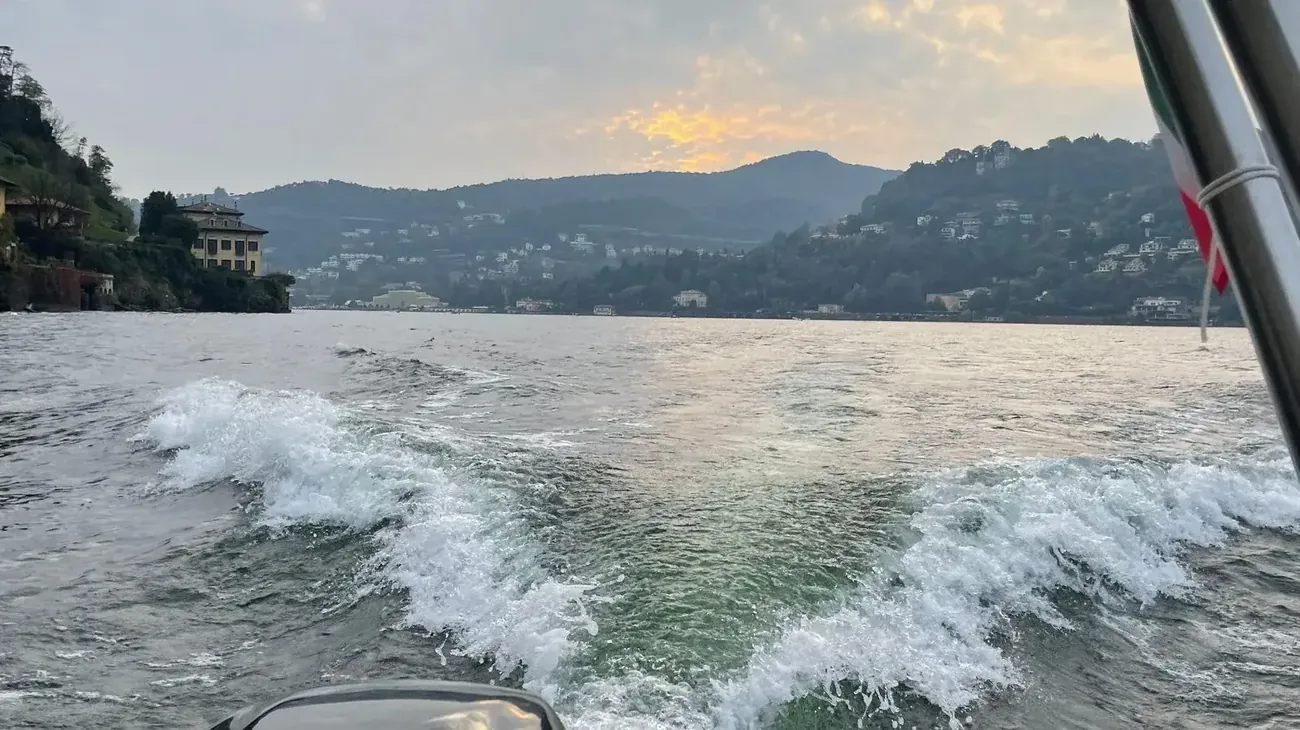
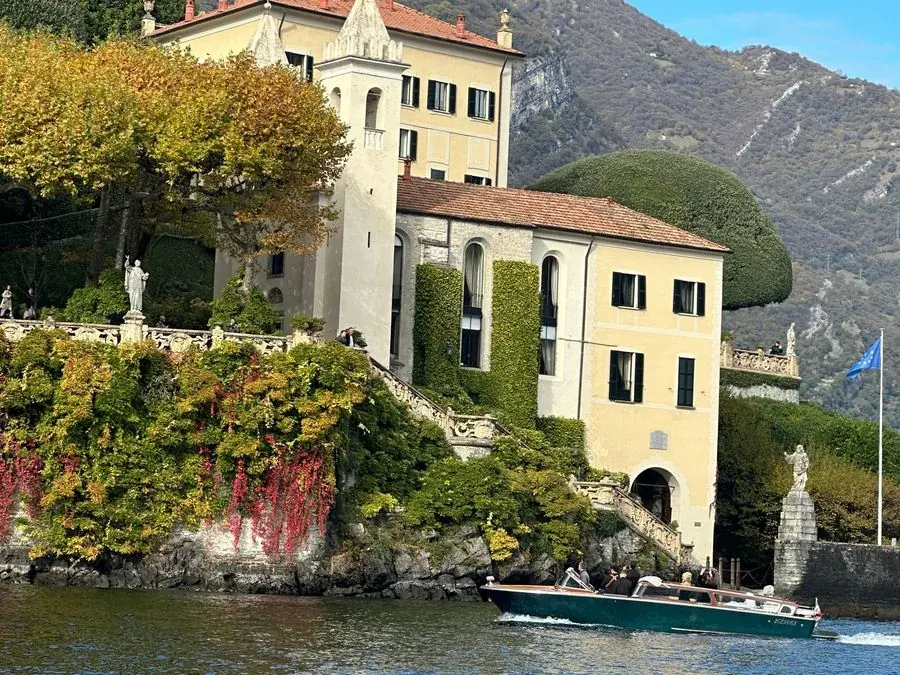
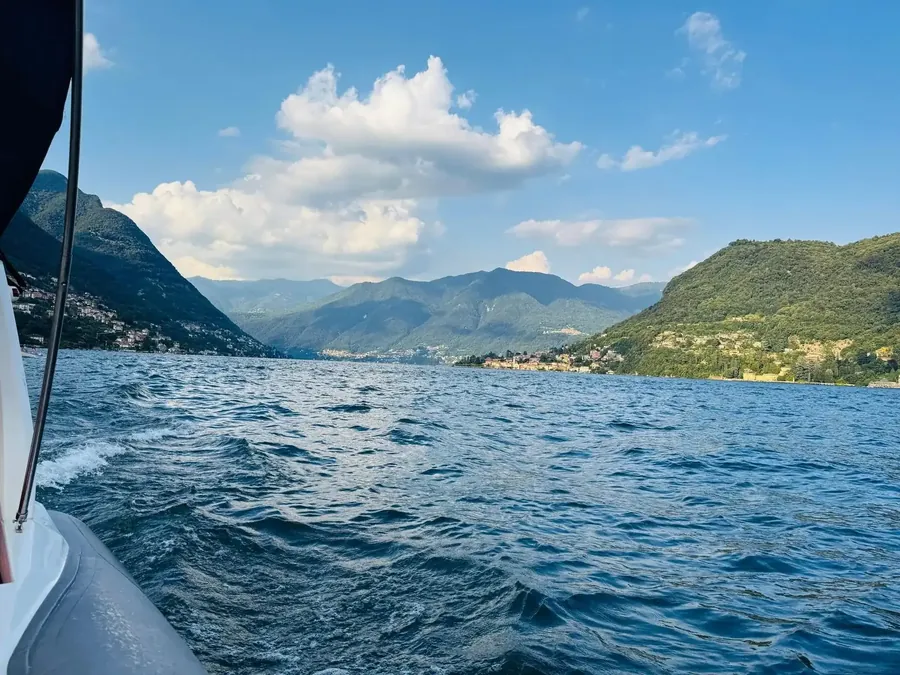
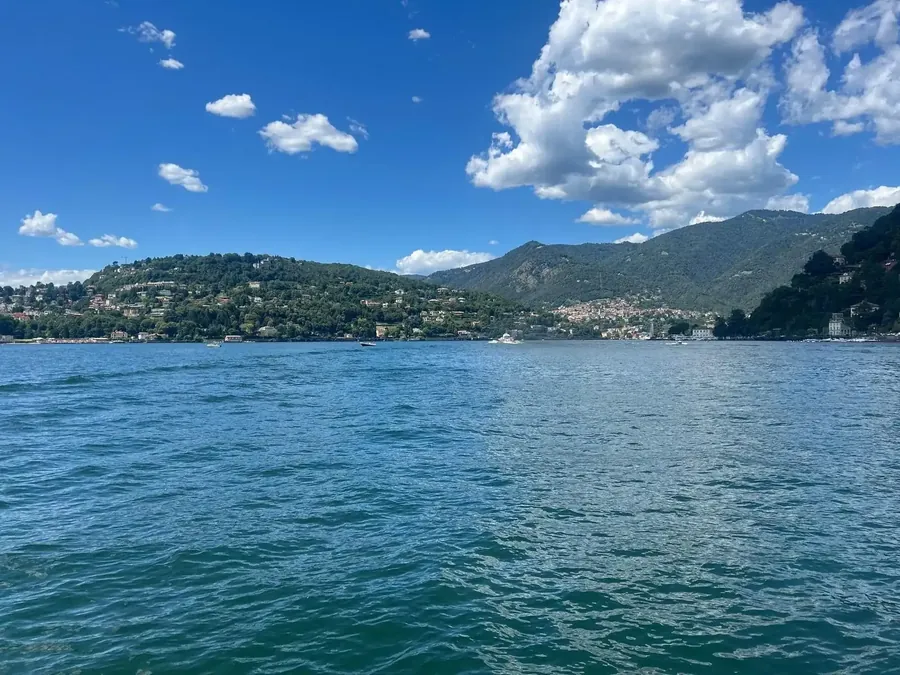
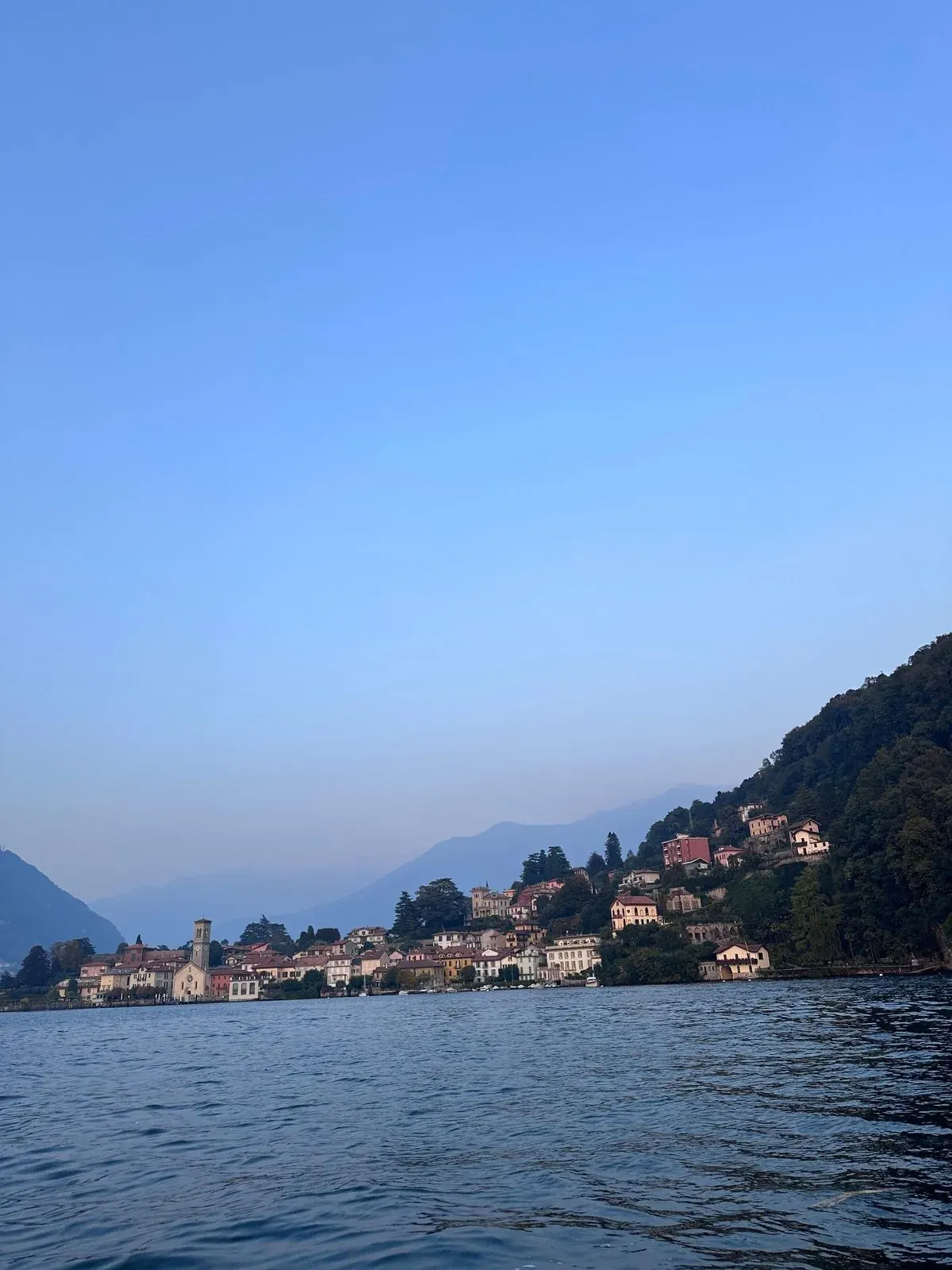
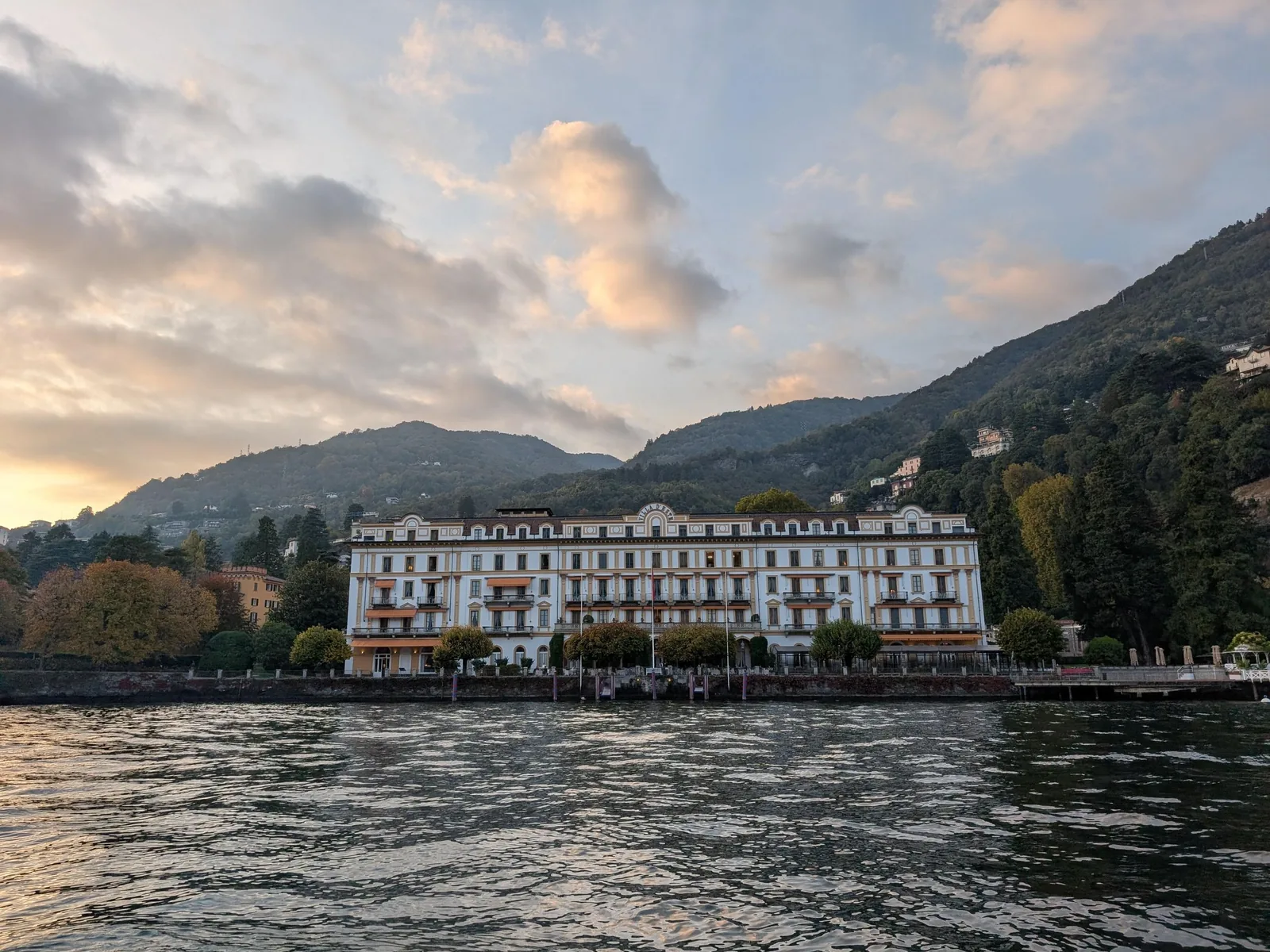
The three-hour tour with a stop in Bellagio runs along the gardens' shoreline before docking: from the water you grasp the scale of the whole, the eight hundred metres of park and the Moorish kiosk looking back at the town. With the free hour in Bellagio there is time to visit them, if you like gardens.

Who passed through
Stendhal, who praised the gardens and named them in The Charterhouse of Parma. Franz Liszt and Marie d'Agoult, who stayed in Bellagio in autumn 1837: their daughter Cosima, later Wagner's wife, was born on 24 December that year. Percy and Mary Shelley are also listed among historic guests.